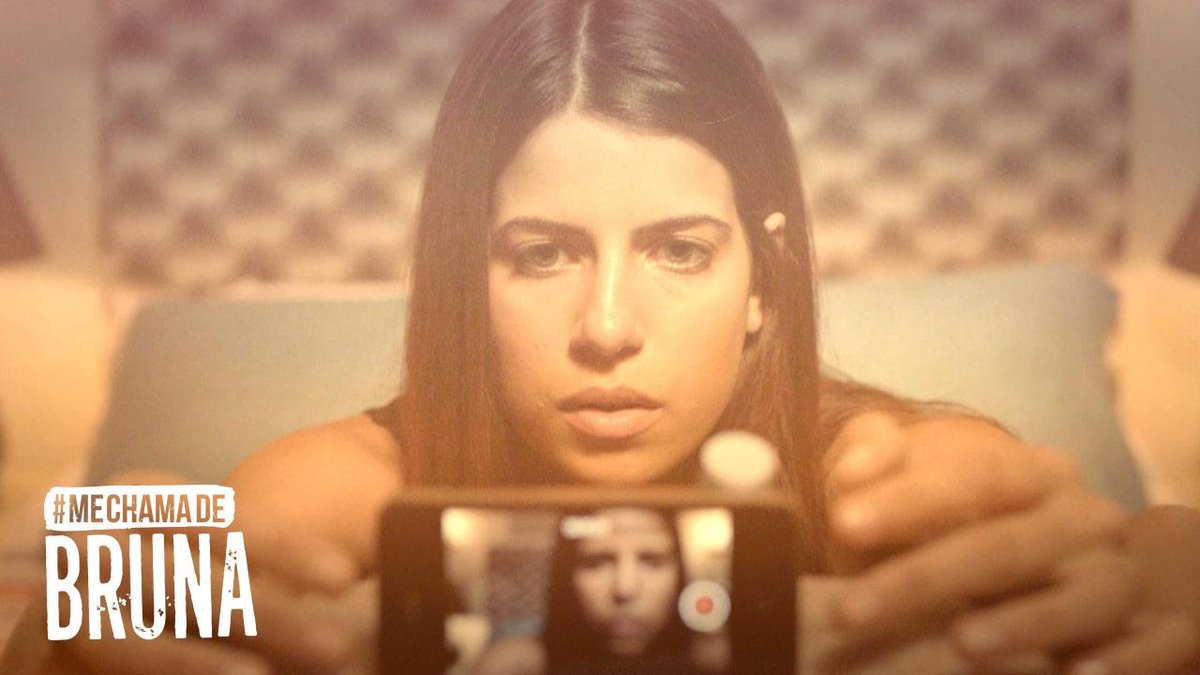
When you peel back the layers of a story as raw and unflinching as Raquel Pacheco's, you uncover a complex tapestry of human experience, societal failures, and the relentless pursuit of self. The Brazilian series "Me Chama de Bruna" (known internationally as "Bruna Surfistinha") doesn't just chronicle the life of a former sex worker; it dissects the very fabric of identity, exploitation, and influence in a way that demands attention. This comprehensive guide will delve into the profound themes, impact, and controversies of 'Me Chama de Bruna,' exploring why this series has resonated so deeply and sparked vital conversations.
"Me Chama de Bruna," a Fox Premium production, offered audiences a gripping, four-season journey into the world of Bruna Surfistinha. Unlike sensationalized depictions, the series was praised for its commitment to showcasing the brutal realities of sex work without romanticizing the profession. It follows Raquel Pacheco from her initial dive into prostitution at 17, through her transformation into the famous Bruna, and her eventual rise as a public figure. What makes it compelling isn't just the individual story, but how it braids together broader societal issues that continue to challenge Brazil and beyond.
At a Glance: What You Need to Know About Bruna Surfistinha's Story
- Unflinching Reality: The series meticulously avoids glamorizing sex work, instead portraying its harsh realities, including abuse, violence, and exploitation.
- Complex Character Arc: Follows Raquel Pacheco's transformation into Bruna, highlighting her journey of self-discovery, resilience, and the search for agency.
- Rich Social Commentary: Explores themes like human trafficking, police corruption, transphobia, socio-economic disparity, and the dark side of media influence.
- Ensemble Storytelling: Beyond Bruna, the series gives voice to a diverse cast of characters whose lives intersect with hers, each facing unique struggles.
- Critical Acclaim: Praised for its robust script, compelling performances (notably Maria Bopp), and sophisticated technical elements like non-linear editing and art direction.
- International Recognition: Nominated for prestigious awards, including the Platino Awards for Best TV Series and Best Actress in 2018.
- Availability: All four seasons are available on streaming platforms like Fox Premium, Globoplay, and Amazon Prime Video.
Beyond the Veil: Unpacking Bruna's Origin Story
The series opens with Raquel Pacheco, a seemingly ordinary 17-year-old, making an extraordinary decision. Disillusioned with her sheltered life and navigating complex family dynamics, she deliberately chooses to enter the world of prostitution. This isn't a passive fall but an active, albeit desperate, attempt at control and autonomy. In the first season, we witness her initiation into a private club, where she adopts the moniker Bruna. This transformation is pivotal; it's here that she confronts the brutal realities of her new life, including physical abuse, emotional manipulation, and the constant threat of violence.
What distinguishes "Me Chama de Bruna" from other narratives of this nature is its steadfast refusal to romanticize this transition. You see the fear, the forced resilience, and the sheer grit required to survive. The series also doesn't isolate Bruna's experience. It weaves in the parallel stories of other women working in the same privê, exposing a microcosm of systemic issues: police corruption enabling exploitation, the desperation driving women into the trade, and the ever-present danger of blackmail. It’s a stark reminder that Bruna’s story, while unique, is also a reflection of a larger, often invisible, struggle.
A Network of Lives: Expanding the World of Bruna
As Bruna evolves, so does the scope of the series. The second season sees Bruna moving out of the privê, setting up her own flat, and strategically using the internet—first a blog, then social media—to build her brand and seek a different kind of fame. This era marks her deliberate effort to reclaim agency and professionalize her sex work, transforming herself into "Bruna Surfistinha," the public figure. Yet, this newfound independence comes with its own set of challenges, including deepening loneliness and ongoing conflicts with her adoptive parents, who struggle to understand her choices.
This season also introduces a crucial ensemble of characters whose lives starkly highlight the broader socio-economic pressures in Brazil:
- Michelle (Wallie Ruy): A trans woman who, facing profound discrimination in traditional employment, turns to sex work as a means of survival. Her storyline brings critical awareness to the specific vulnerabilities and violence faced by the LGBTQ+ community.
- Georgette (Stella Rabello): A woman who prostitutes herself to support her young daughter, laying bare the economic desperation that often underpins such decisions.
- Samira (Simone Mazzer): The owner of a brothel, a figure who embodies the darkest aspects of the industry, engaging in child solicitation and human trafficking, even selling her own granddaughter, Thalita.
- Jéssica (Nash Laila): Bruna's friend and Thalita's mother, whose life becomes entangled with Samira's horrific acts, illustrating the devastating impact of exploitation on families.
These interconnected narratives serve a powerful purpose: they anchor Bruna's individual story within a larger context of systemic issues. They show that while Bruna might navigate her path with a degree of calculated control, many others are caught in cycles of pure desperation and brutal exploitation.
Echoes from the Past: Confronting Trauma and Prejudice
The third season takes a deeper dive into the characters' personal histories and the societal prejudices they face. Bruna is compelled to confront her own past, including a pivotal school incident that played a significant role in her decision to leave home and enter sex work. This exploration adds layers to her character, showing that her choices weren't made in a vacuum but were shaped by prior trauma and a longing for belonging.
Meanwhile, the struggles of the supporting cast intensify:
- Georgette battles for the custody of her daughter, facing not only the legal hurdles but also the pervasive societal prejudice against her profession. Her fight for her child’s future becomes a poignant commentary on how women in sex work are often judged and marginalized, even when striving for a better life for their children.
- Samira deals with the aftermath of her actions, facing the absence of Jéssica (who is imprisoned in a brothel in Europe after being trafficked) and the moral condemnation of her fanatically religious neighbors. This arc doesn't excuse her monstrous behavior but shows the complicated web of cause and effect, and the hypocrisy of selective morality.
- Michelle is forced to conceal her gender identity to secure a job, only to be subjected to brutal transphobic attacks. Her story is a heartbreaking illustration of the pervasive discrimination and violence that trans individuals face, highlighting the systemic barriers to safety and employment.
This season masterfully demonstrates how past experiences haunt the present and how societal prejudices create insurmountable obstacles for those on the margins. It amplifies the "controversies of 'Me Chama de Bruna'" by presenting these painful realities, forcing viewers to confront uncomfortable truths about discrimination and the cyclical nature of trauma.
The Peril of Influence: Fame, Idealization, and Dark Consequences
The final, fourth season finds Bruna at a different stage of her life. She is now famous, wealthy, and operating as a high-end escort, harboring aspirations of becoming a TV presenter. She lives with Jéssica and Thalita, offering them a semblance of a stable home. As a digital influencer, Bruna's life is public, and her narrative, though authentic to her experience, can be misinterpreted or idealized by others.
This leads to one of the most impactful and controversial storylines of the season: the introduction of Alice (Debora Ozório). Alice is a teenager who, influenced by Bruna's public persona, begins to idealize the profession of sex work. Tragically, Alice is lured into exploitation by a corrupt judge, culminating in a devastating and impactful outcome. This arc serves as a powerful cautionary tale, highlighting the severe dangers of idealizing a complex reality, particularly for vulnerable youth. It directly addresses the "impact" aspect of the series, showing how media portrayal, even when aiming for authenticity, can have unforeseen and tragic consequences in the real world. It underscores the ongoing debate about responsibility in storytelling, especially when dealing with sensitive topics. If you're looking for an even deeper dive into the series' intricacies, you can Learn more about Me Chama de Bruna.
More Than Just a Biopic: Key Themes Explored
"Me Chama de Bruna" transcends a simple biographical narrative, offering a nuanced exploration of several crucial themes:
The Unvarnished Reality of Sex Work
Perhaps the most potent theme is the series' commitment to demystifying and de-romanticizing sex work. It’s not presented as a glamorous path to quick money or an easy escape. Instead, viewers are exposed to the daily grind, the emotional toll, the constant threat of violence, the precariousness, and the lack of legal protection. It challenges the viewer to look beyond sensationalism and understand the profound human cost.
Identity and Transformation
Raquel's journey to becoming Bruna is a central pillar of the series. It’s a complex transformation driven by a mix of rebellion, economic necessity, and a desperate search for control. But it's not just Bruna; Michelle's journey of self-discovery and resilience in the face of transphobia also speaks to the profound nature of identity and the courage it takes to live authentically.
Social Injustice and Systemic Failure
The series unflinchingly shines a light on Brazil's systemic failures. Police corruption is rampant, often enabling exploitation rather than preventing it. Human trafficking is depicted as a pervasive, horrific reality. The prejudice against sex workers, single mothers, and the LGBTQ+ community is palpable, illustrating how societal judgment often pushes vulnerable individuals further to the margins. This critical examination makes the series a powerful piece of social commentary.
The Double-Edged Sword of Media and Influence
Bruna's use of her blog and later social media to gain fame is a fascinating aspect. It explores the power of personal narrative in the digital age, but also its inherent risks. The tragic storyline of Alice in the final season is a stark reminder of how public personas, even those intended to be authentic, can be misinterpreted and lead to disastrous consequences when idealized by others.
Family, Betrayal, and Forgiveness
Underpinning much of the narrative are complex family dynamics. Bruna's strained relationship with her adoptive parents, the brutal betrayal of Jéssica by Samira, and Georgette's fight for her daughter all underscore the profound impact of familial bonds—or their absence—on individuals’ lives. The series explores how betrayal can shatter trust, and the long, arduous road to potential forgiveness and reconciliation.
Behind the Lens: The Series' Artistic and Technical Brilliance
Beyond its compelling narrative, "Me Chama de Bruna" has garnered significant praise for its technical and artistic execution. The production values are notably high for a Brazilian series, contributing significantly to its immersive quality.
- Non-Linear Editing: The series often employs a non-linear narrative structure, weaving between past and present, Bruna's public persona and Raquel's private thoughts. This stylistic choice adds depth, reflecting the fragmented nature of memory and identity, and keeps the audience actively engaged in piecing together the protagonist's journey.
- Direction and Art Direction: The series' direction is lauded for its ability to create a visually rich and authentic world. The art direction, including detailed costume design and contrasting São Paulo settings—from the gritty privê to upscale flats and vibrant cityscapes—effectively underscores the different facets of Bruna's life and the socio-economic disparities within the city.
- Stellar Performances: Maria Bopp's portrayal of Raquel/Bruna is consistently highlighted as a tour de force. She embodies the character's vulnerability, resilience, and complex psychology with remarkable depth, earning her a nomination for Best Actress at the Platino Awards. The supporting cast also delivers strong performances, giving weight and authenticity to their challenging roles.
The series' excellence was not just recognized domestically but also internationally. In 2018, "Me Chama de Bruna" received two prestigious nominations at the Platino Awards for Ibero-American Cinema: one for Best TV Series and another for Maria Bopp as Best Actress. This recognition cemented its status as one of the best recent Brazilian productions, capable of tackling complex, contemporary social issues with artistic sophistication.
The Conversation Sparker: Impact and Enduring Controversies
"Me Chama de Bruna" isn't merely entertainment; it's a cultural artifact that has undeniably left an impact on Brazilian television and broader societal discourse. Its arrival on streaming platforms has only amplified its reach and continued its legacy of sparking essential conversations.
Challenging Societal Norms
The series boldly challenged the traditional, often judgmental, portrayal of sex workers in media. By centering Raquel's perspective and showing the multifaceted reasons behind her choices, it forced viewers to confront their own biases and consider the humanity of individuals often relegated to the shadows. It asked audiences to move beyond simplistic moral judgments and engage with the complex realities of human agency and survival.
The Debate on Portrayal: Is It Exploitative? Is It Empowering?
One of the most persistent "controversies of 'Me Chama de Bruna'" revolves around its depiction of sex work. Critics and viewers often debate whether the series, despite its stated intentions, inadvertently glamorizes the profession, particularly through Bruna's eventual fame and wealth. The series navigates a very fine line: showing the brutality while also showcasing Bruna's moments of empowerment and control. The tragic ending for Alice, however, explicitly addresses this concern, serving as a powerful counter-narrative to any potential idealization. The discourse it generates is precisely why the series remains so relevant: it doesn't offer easy answers but demands critical engagement.
Reflecting Brazilian Reality
Beyond sex work, the series serves as a mirror reflecting many harsh realities of contemporary Brazil: endemic corruption, deep socio-economic inequalities, pervasive prejudice against marginalized communities (especially LGBTQ+ individuals), and the struggles of families living in poverty. By grounding these broader issues within individual stories, "Me Chama de Bruna" makes the systemic personal, fostering a deeper understanding of the challenges facing Brazilian society. Its rich script and exploration of these themes contribute significantly to its impact.
Your Guide to Watching "Me Chama de Bruna" (and Why You Should)
"Me Chama de Bruna" is far more than a simple dramatization of a controversial life. It’s a layered, compelling, and often difficult watch that challenges perceptions, provokes thought, and demands empathy. It is a testament to the power of storytelling to illuminate the human condition in all its complexity.
If you are drawn to narratives that explore the depths of human resilience, the intricate dance of identity, and the uncomfortable truths about societal injustices, then "Me Chama de Bruna" is a series you should absolutely experience. It’s not always an easy watch, but it is an undeniably rewarding one, offering rich material for reflection and discussion long after the credits roll.
All four seasons of "Me Chama de Bruna" are currently available for streaming on Fox Premium, Globoplay, and Amazon Prime Video. Prepare yourself for a journey that will stay with you, prompting vital questions about choice, consequence, and the world we live in.